
Residential Pressure Washing
Residential Pressure Washing in Vancouver, BC
No Monkey Biz provides residential pressure washing in Vancouver for homeowners, landlords, strata councils, and residential property managers. We clean suitable driveways, walkways, patios, siding, fences, decks, retaining walls, and other approved exterior surfaces.
Vancouver’s frequent rain, shaded lots, mature trees, and mild temperatures can contribute to dirt, algae, moss, traffic film, and other organic buildup. However, effective exterior cleaning is not simply a matter of applying as much pressure as possible. Concrete, wood, pavers, siding, painted finishes, and composite materials respond differently to water pressure and cleaning.
We assess the surface, its condition, drainage, landscaping, access, and surrounding property before confirming the work. The result is a clear, property-specific scope based on the areas that actually need attention.
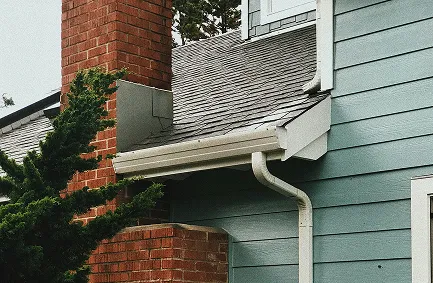
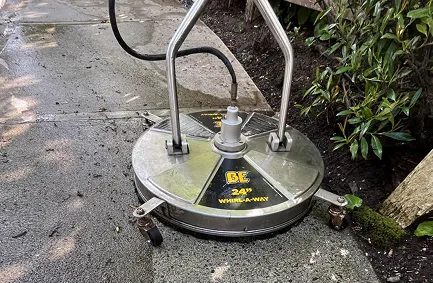
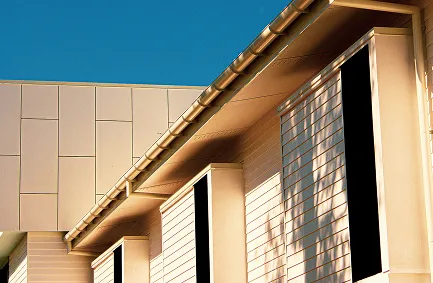
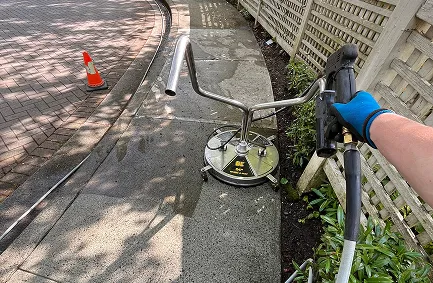
What Does Residential Pressure Washing Include?
The exact service depends on your property and the written quote. Common cleaning areas include:
- Concrete driveways, walkways, steps, and entrance areas
- Patios and suitable outdoor living surfaces
- Siding and exterior walls where appropriate
- Fences, gates, and retaining walls
- Suitable decks and stairs
- Approved pavers, stone, and other hardscape
- A final review of the agreed work areas
The quote identifies which surfaces are included, the proposed approach, access requirements, and any practical limitations. Areas not listed in the quote are not automatically included.
Why Pressure Washing Matters for Vancouver Homes
Outdoor surfaces in Vancouver remain exposed to regular rainfall, moisture, falling leaves, tree residue, soil, and airborne dirt. Shaded areas may dry slowly, allowing organic buildup to return more quickly than it does on sunnier parts of the property.
Over time, a driveway can darken, a patio can develop uneven staining, and walkways can collect moss or algae. Siding, fences, and retaining walls may also show dirt, splash marks, or organic growth.
Appropriate cleaning can refresh the appearance of these surfaces and remove suitable surface buildup. It may also make ongoing maintenance easier by addressing accumulated debris before it becomes more established.
Pressure washing has limits, however. It cannot repair cracks, replace failed coatings, reverse material deterioration, correct drainage problems, or remove every permanent stain. The condition of the surface affects both the method and the result.
Which Residential Surfaces Can Be Pressure Washed?
Concrete driveways and walkways are common candidates because they can collect dirt, organic growth, and vehicle residue. Patios, retaining walls, and some types of exterior masonry may also be suitable after assessment.
Other materials require more care. The age, installation, finish, and current condition of the surface all influence whether pressure washing is appropriate.
Concrete Driveways and Walkways
Concrete can hold dirt and organic buildup within its textured surface. Cleaning may improve its overall appearance, but oil, rust, paint, mineral deposits, and deeply embedded stains may need separate assessment and may not disappear completely.
Cracked, flaking, or weakened concrete also requires caution. Pressure washing cleans the surface but does not repair deterioration.
Patios and Pavers
Patios may contain concrete, natural stone, manufactured pavers, grout, sand-filled joints, or a combination of materials. Loose jointing material, unstable pavers, delicate stone, and existing damage can affect the cleaning approach.
Clients should explain whether the patio contains sealed surfaces, decorative coatings, or areas that have previously been repaired.
Siding and Exterior Walls
Some siding and wall surfaces can be cleaned, but the method must account for seams, openings, vents, electrical fixtures, damaged areas, and the possibility of water entering behind the material.
Older siding, loose sections, painted surfaces, and deteriorated finishes may require lower pressure, a different approach, or exclusion from the scope.
Decks and Wood Surfaces
Wood can be damaged when excessive pressure cuts into the grain, raises fibres, or leaves visible cleaning marks. The species, age, finish, and condition should be reviewed before cleaning.
A cleaned deck may also show pre-existing fading, staining, coating failure, or weathering more clearly. Pressure washing does not include sanding, staining, sealing, or structural repairs unless those services are expressly stated in the quote.
Fences and Retaining Walls
Fences and retaining walls vary widely in material and condition. Wood, concrete, masonry, composite products, and painted surfaces each require different consideration.
Loose boards, failing paint, damaged mortar, unstable blocks, and nearby landscaping can change what work is practical.
Why Every Vancouver Home Needs a Property-Specific Approach
Vancouver properties range from character homes on narrow lots to newer detached houses, duplexes, townhomes, and strata communities. The same cleaning plan will not work for every building.
Limited side-yard access, mature landscaping, nearby homes, overhead obstacles, steep driveways, shared walkways, and street parking can affect equipment placement and work-zone control. Compact properties may also require additional care around neighbouring walls, windows, vehicles, and outdoor belongings.
Before work begins, we consider the direction of runoff, nearby doors and windows, exterior outlets, vents, lighting, plants, furniture, and pedestrian areas. If the property is managed by a strata, building rules and common-property boundaries may also need to be confirmed.
This assessment helps establish a realistic scope and reduces uncertainty about what will be cleaned.
Can Pressure Washing Damage Exterior Surfaces?
Yes. Excessive pressure, an unsuitable technique, or cleaning a deteriorated surface can cause damage. Potential problems include marked wood, loosened paint, disturbed jointing sand, damaged mortar, water entering behind siding, and changes to fragile coatings.
That is why we do not use one pressure setting or method on every part of a property. We first review the material and visible condition. A lower-pressure approach, a different method, or exclusion may be recommended when standard pressure washing is not suitable.
Property owners should disclose known leaks, loose siding, damaged seals, recent repairs, painted areas, fragile materials, and drainage concerns during the quote process.
What Pressure Washing Can and Cannot Remove
Residential pressure washing can remove many types of surface dirt, loose organic buildup, and weather-related grime. The final result depends on the material, staining, age, previous maintenance, and how deeply the buildup has entered the surface.
Some marks may remain after cleaning. Oil, rust, paint, efflorescence, mineral deposits, deep discoloration, fading, and failed coatings can require specialised treatment or may be permanent.
Cleaning can also reveal variations that were previously hidden beneath dirt. Older concrete may have repairs or uneven colouring, while wood may show weathering or coating failure after surface buildup is removed. We set expectations during the quote process rather than promising that every surface will look new.
Our Residential Pressure Washing Process
1. Initial property review
We review the requested areas, surface materials, visible buildup, drainage, landscaping, and access. Clear photos may help with the initial assessment, although some properties require an onsite review.
2. Written scope and quote
The quote identifies the surfaces to be cleaned, practical limitations, preparation requirements, and excluded areas. If the property contains several materials, the scope may describe them separately.
3. Site preparation
Before cleaning begins, the work area is reviewed for outdoor furniture, decorations, vehicles, pets, fragile items, open windows, and other concerns. The homeowner may need to move certain belongings or provide access to locked areas.
4. Surface-appropriate cleaning
We use an approach suited to each approved material and its visible condition. Nearby areas are managed as required by the confirmed scope.
5. Final review
We review the completed areas and identify any visible maintenance concerns or limitations noticed during the work. This review is not a structural, building-envelope, or drainage inspection.

How Should Homeowners Prepare for Pressure Washing?
Preparation depends on the property and scope. Before the scheduled service, close doors and windows and move vehicles, furniture, planters, decorations, hoses, toys, and fragile belongings away from the agreed work areas where practical.
Pets and children should remain inside or away from the active work zone. Let us know about gates, alarm systems, locked areas, outdoor electrical concerns, delicate plants, irrigation equipment, or neighbour-access arrangements in advance.
Tenants or strata residents may also need notice if the work affects shared entrances, parking spaces, patios, or pedestrian routes.
Any specific preparation requirements should be confirmed before the appointment.
When Is the Best Time for Residential Pressure Washing?
Pressure washing can be scheduled when weather, access, and surface conditions allow the work to be completed appropriately. Many homeowners plan exterior cleaning during spring or early summer as they prepare patios, entrances, and outdoor living areas for regular use.
Others arrange service after heavy leaf fall, construction work, landscaping projects, or before listing a property.
Weather can affect scheduling. Strong winds, freezing conditions, heavy rainfall, or other site conditions may require a change. If several exterior services are needed, combining them into one assessment may reduce repeated setup, although every service should remain clearly separated in the quote.
How Often Should a Vancouver Home Be Pressure Washed?
There is no universal schedule for every home or surface.
Properties with mature trees, heavy shade, limited airflow, or recurring moisture may develop organic buildup more quickly. Sunny, open properties may require cleaning less often. Busy roads, construction activity, drainage patterns, and the type of exterior material also affect timing.
Many homeowners consider an annual exterior assessment, but this does not mean every surface needs pressure washing each year. A shaded walkway may need attention before a sunny driveway, while siding may follow a different schedule from patios or decks.
The condition of the surface should guide the decision rather than a fixed calendar alone.
Request a Free Pressure Washing Quote
Tell us the property address, surfaces requiring attention, approximate size, visible buildup, and any access or scheduling concerns. Clear photos can help us understand the requested work.
Request a free quote for residential pressure washing in Vancouver, or call 604-307-8323.
Pressure Washing for Landlords and Strata Properties
Residential pressure washing is also available for rental and strata properties, subject to the approved scope.
These projects may include entrances, walkways, patios, common hardscape, low-rise building exteriors, or other suitable surfaces. The property contact should identify common-property boundaries, resident responsibilities, water access, parking restrictions, and building rules before scheduling.
Larger projects may require resident notices, temporary work-zone controls, or cleaning in stages. A written scope helps landlords, strata councils, and property managers understand which areas are included and how the work will be coordinated.
What Affects the Cost of Residential Pressure Washing?
Pricing depends on more than the general size of the property. Important factors include the total surface area, material, amount and type of buildup, access, water availability, preparation, runoff management, building height, and number of separate cleaning areas.
A straightforward driveway may require a different scope from a property with multiple patios, stairs, retaining walls, fences, and narrow access.
Special stains, delicate materials, heavily overgrown surfaces, or additional work-zone controls may also affect the quote. Photos can help with an initial review, but a site assessment may be needed before the final scope is confirmed.
Why Choose No Monkey Biz?
No Monkey Biz has served Greater Vancouver since 2012. We focus on clearly defined scopes, methods suited to the property, straightforward communication, and a final review of the completed work.
We assess surfaces before confirming the service rather than assuming every material can be cleaned in the same way. Homeowners receive a quote that identifies the approved areas, access requirements, and practical limitations before scheduling.
Related Exterior Cleaning Services
Homeowners planning several maintenance tasks may also be interested in Gutter Cleaning and Roof Moss Removal or Window Cleaning.
For business, strata, and managed sites, visit our Commercial Pressure Washing page. You can also review the complete No Monkey Biz services overview to plan related work.
Residential Pressure Washing Service Areas
Vancouver is the primary location for this service. Availability in surrounding communities depends on the property address, requested scope, access requirements, and scheduling.
Explore our location pages for Vancouver East, Vancouver West, North Vancouver, Richmond, Burnaby, Surrey, Coquitlam, Delta, Langley, Port Coquitlam, White Rock, Abbotsford, Maple Ridge, and Pitt Meadows.
If your property is close to one of these areas, provide the complete address when requesting a quote so availability can be confirmed.
Frequently Asked Questions Residential Pressure Washing
Can pressure washing damage siding or wood?
Yes. Excessive pressure or an unsuitable method can damage siding, wood, coatings, mortar, and other materials. We assess the surface first and choose an appropriate approach or exclude areas that are not suitable.
Can pressure washing remove moss and algae?
It can remove suitable surface buildup from approved materials. The appropriate method depends on the surface and its condition. Heavy growth, staining, or deterioration may require separate assessment.
Will pressure washing remove oil stains from a driveway?
It may improve some surface staining, but oil can penetrate concrete and may not be completely removable. Rust, paint, minerals, and other specialised stains can also require a separate treatment or remain visible.
Do you pressure wash strata and rental properties?
Yes, subject to safe access and an approved scope. Resident communication, common-property boundaries, parking, water access, and building rules may need to be coordinated before scheduling.
Does pressure washing include sealing or repairs?
No, not unless the written quote expressly states otherwise. Standard pressure washing does not automatically include sealing, staining, painting, sanding, crack repair, siding repair, or drainage work.