
Commercial Snow Removal and De-Icing
Commercial Snow Removal and De-Icing in Vancouver
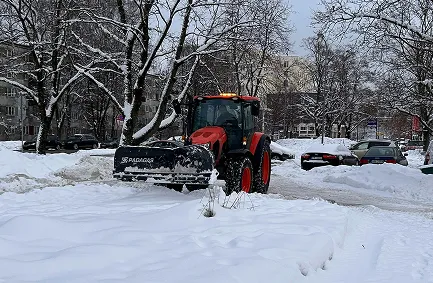
Snowfall in Vancouver may be irregular, but it does not take a major winter storm to disrupt a commercial property. Snow and ice can affect entrances, walkways, loading zones, parking access, ramps, stairs, and other high-traffic areas. Meltwater may also move into low or shaded locations before refreezing.
No Monkey Biz provides commercial snow removal and de-icing planning in Vancouver for businesses, strata councils, building owners, and property managers. We create property-specific scopes based on the site layout, priority areas, drainage, slopes, operating hours, pedestrian traffic, vehicle movement, and building requirements.
Commercial snow service should be arranged before winter weather arrives. Route capacity may be limited, and a request made after snow is already forecast may not be available. A written agreement should clearly define the service areas, weather triggers, expected response window, materials, communication process, and responsibilities of the property contact.
What Does Commercial Snow Removal Include?
The exact service depends on the property and written agreement. Commercial sites vary widely, so no area should be assumed to be included unless it is listed in the approved scope.
Depending on the contract, commercial snow removal and de-icing may include:
- A pre-season site review
- Identification of entrances and priority pedestrian routes
- Snow clearing for contracted walkways and access areas
- Service for selected loading, parking, or operational zones
- De-icing applications in the areas stated in the agreement
- Defined weather triggers and service windows
- Communication procedures for the property contact
- Visit records or reporting when included
- Documentation of areas that remain the client’s responsibility
The agreement should also state what is not included. Large parking areas, roadways, rooftop areas, emergency callouts, snow hauling, or repeated visits during a weather event are not automatically part of every contract.
Why Vancouver Businesses Need a Snow Plan
We can assess suitable residential and commercial fabric or rigid awnings. The cleaning method depends on what the awning is made from and how it has aged.
Fabric awnings may require a gentler method to protect fibres, seams, dyes, coatings, and printed graphics. Vinyl and coated materials may respond differently depending on their age and condition. Metal awnings may tolerate a different process, but damaged finishes or corrosion still require care.
Retractable awnings also need to be reviewed before cleaning. Moving parts, electrical components, arms, frames, and the ability to extend the awning safely can affect the scope.
Some awnings may be too fragile, damaged, or deteriorated for cleaning. If the material is cracking, separating, heavily faded, or no longer securely attached, repair or replacement may be more appropriate.
Commercial Properties We Can Assess
Vancouver’s wet climate can leave awnings exposed to moisture for long periods. Shade, nearby trees, traffic, birds, and limited airflow may allow dirt and organic buildup to remain on the surface.
Storefront awnings along busy streets can also collect airborne residue from vehicles, construction activity, and pedestrian traffic. Residential awnings may collect pollen, leaves, sap, and bird debris from nearby trees. Properties closer to the water can experience wind-carried coastal residue on exposed surfaces.
The amount of buildup depends on the awning’s orientation, material, surrounding buildings, nearby trees, traffic exposure, and how quickly it dries after rain. South-facing awnings may show more fading, while shaded awnings may stay damp longer.
Regular assessment can help property owners address surface buildup before it becomes more noticeable or difficult to remove. However, cleaning cannot reverse every form of wear or damage.
What Should a Commercial Snow Agreement Cover?
No. Pressure washing is not suitable for every awning.
High pressure can damage fabric, loosen seams, disturb coatings, lift graphics, force water into unwanted areas, or worsen existing wear. Even rigid awnings may include painted, coated, or decorative surfaces that need a more controlled method.
Before selecting an approach, we assess the material, age, condition, attachment points, and staining. A lower-pressure method, careful rinsing, or another cleaning technique may be more appropriate.
If an awning is already damaged, cleaning may make that damage more visible. Existing tears, fading, worn coatings, loose hardware, corrosion, or weakened seams should be identified before the service begins.
How Are Priority Areas Selected?
Priority areas should reflect how people and vehicles use the property. The property manager or owner is usually best positioned to explain which routes matter most.
Customer and resident entrances may receive priority because they experience regular foot traffic. Accessible routes, stairs, ramps, employee walkways, loading areas, and waste-handling zones may also need to be considered.
Not every part of a large property may be included. The agreement should identify which areas will be addressed and which remain the property owner’s responsibility.
Priority areas may also change during an event. A delivery zone that is not used overnight may become important before morning operations begin. Any process for changing priorities should be discussed in advance rather than assumed during the storm.
Commercial De-Icing in Vancouver
De-icing can help manage agreed areas before or after snow and ice develop, depending on the contract and weather conditions. The type and timing of the application affect how it performs.
Material selection may depend on temperature, surface type, landscaping, pets, drainage, building rules, and environmental considerations. No de-icing material works perfectly in every condition.
De-icing does not guarantee that a surface will remain clear or non-slip. Continued precipitation, dilution, foot traffic, vehicle movement, runoff, temperature changes, and refreezing can reduce its effectiveness. The agreement should state which areas may receive material, what product or category may be used, and whether follow-up applications are included.
Why Drainage and Refreezing Matter
Snow removal is only one part of winter property management. Snow can melt during the day, move toward a low point, and freeze again when temperatures fall.
Blocked drains, flat surfaces, shaded entrances, sloped ramps, and downspout discharge can all affect where water collects. Snow-storage locations can also influence meltwater movement.
During the pre-season review, the property contact should identify known drainage problems and recurring icy areas. Exterior snow service cannot repair drains, correct grading, or prevent every instance of refreezing. Properties should continue to be monitored between service visits, especially when temperatures move above and below freezing.
Our Commercial Snow Removal Process
The process begins before winter with a discussion about the property, service priorities, operating hours, and access. We review the requested areas and identify potential concerns such as slopes, drainage, locked gates, parked vehicles, and limited snow-storage space.
We then prepare a written scope that identifies the contracted zones, triggers, response expectations, materials, communication contacts, and exclusions. Work is not scheduled until the agreement is accepted.
During qualifying conditions, service is provided according to the contract and route availability. Only the agreed areas are cleared or treated.
When reporting is part of the agreement, the visit may be documented according to the stated process. Material site concerns can also be communicated to the designated property contact.
What Is the Property Contact Responsible For
Commercial snow service works best when responsibilities are clear on both sides.
The property contact may need to provide safe and timely access, unlock gates, move vehicles, communicate with tenants, identify hazards, keep emergency contacts current, and monitor surfaces between visits.
Known drainage problems, damaged pavement, loose steps, buried obstacles, construction zones, and other site hazards should be disclosed before winter.
The client should also understand which areas are outside the contract. Employees, residents, or another contractor may need to monitor and maintain those locations.
Can Snow Removal Prevent Every Slip or Fall?
No. Snow removal and de-icing can help manage contracted areas, but they cannot eliminate every winter hazard.
Weather can change quickly. Snow may continue after a visit, de-icing material can be displaced or diluted, and meltwater can refreeze. Pedestrian and vehicle traffic may also move snow into areas that were previously cleared.
Property owners and managers should continue inspecting their sites and responding to changing conditions. A service agreement supports a broader winter-maintenance plan but does not replace ongoing property monitoring.
Request a Commercial Snow Removal Quote
If your Vancouver business, strata property, or managed building needs a winter service plan, contact No Monkey Biz before snow is forecast.
Share the complete property address, priority areas, operating hours, access restrictions, drainage concerns, and preferred communication process. Request a commercial snow removal quote or call 604-307-8323.
When Should Commercial Snow Service Be Booked?
Commercial snow removal should be arranged before the first winter forecast. Early planning provides time to inspect the site, define priorities, review drainage, confirm materials, and reserve route capacity.
Waiting until snow begins can leave a property without service. Crews may already be committed to contracted routes, and safe travel conditions may limit last-minute availability.
Property managers should review their winter plans before temperatures begin to fall. Existing clients should also confirm whether the new season requires an updated scope, contact list, or property map.
What Affects Commercial Snow Removal Pricing?
Pricing depends on the size and number of service areas, property layout, slopes, access, operating hours, weather triggers, expected response window, de-icing requirements, reporting, and route location.
A small storefront entrance is different from a large strata complex, warehouse, or multi-building commercial property. Properties with several priority zones, limited snow-storage space, or difficult access may require more planning.
Pricing structure may also depend on whether the agreement is seasonal, per event, per visit, or another arrangement. The final approach must be confirmed in writing.
Why Choose No Monkey Biz?
No Monkey Biz has provided exterior property maintenance services across Greater Vancouver since 2012. We work with businesses, strata councils, building owners, and property managers.
Our commercial snow removal approach focuses on clear written scopes, advance planning, realistic response expectations, and reliable communication. We identify priority areas, access concerns, drainage issues, and operational restrictions before winter weather arrives.
We do not promise that every surface will remain clear or ice-free at all times. Instead, we define the service boundaries and responsibilities so property contacts can make informed winter-maintenance decisions.
Commercial Snow Removal Service Areas
Vancouver is the primary location for this service. No Monkey Biz also provides commercial snow removal and de-icing in surrounding communities, subject to the property address, site requirements, route capacity, requested scope, and scheduling availability.
Explore our location pages for Vancouver East, Vancouver West, North Vancouver, Richmond, Burnaby, Surrey, Coquitlam, Delta, Langley, Port Coquitlam, White Rock, Abbotsford, Maple Ridge, and Pitt Meadows.
Include the complete property address when requesting a quote so route and service availability can be confirmed.
Frequently Asked Questions About Commercial Snow Removal
Do commercial snow services require a seasonal contract?
The available service format depends on the property and route capacity. Any agreement should define the service period, triggers, pricing, contracted areas, response expectations, materials, and responsibilities before winter.
What areas can be included in a commercial snow plan?
Depending on the property and agreement, areas may include entrances, walkways, stairs, ramps, selected loading zones, parking access, and other priority routes. Only areas listed in the agreement are included.
Does de-icing guarantee that surfaces will not be slippery?
No. Weather, refreezing, drainage, traffic, shade, dilution, and surface conditions continue to affect traction. The property should be monitored between visits.
Can snow removal be requested after snow starts?
You can ask, but service may not be available. Contracted routes receive priority, and weather or road conditions may limit last-minute work.
How quickly will the property be serviced?
Timing depends on the agreed response window, weather, continuing accumulation, road conditions, and route demands. The contract should explain expectations without implying an immediate response.