
Residential Snow Remova
Residential Snow Shovelling and De-Icing in Vancouver
No Monkey Biz provides residential snow shovelling and de-icing in Vancouver for homeowners, landlords, and residential property managers. Depending on the written agreement, service may cover entrance steps, front walkways, selected paths, and other accessible priority areas.
Snowfall in Vancouver can be unpredictable. A property may receive little accumulation during one winter and face several disruptive events during another. When snow does arrive, compacted areas, changing temperatures, shade, drainage, and refreezing can affect access around the home.
Advance planning is important because seasonal route capacity is limited. We review the property, define the areas included, and document the service conditions before winter weather arrives.

What Does Residential Snow Service Include?
The final scope depends on the property and the written agreement. A residential snow plan may include:
- Snow shovelling or clearing in identified priority areas
- Front entrances, steps, and accessible walkways listed in the agreement
- De-icing materials and applications where expressly included
- Defined weather triggers and service conditions
- Expected response windows rather than an immediate arrival guarantee
- Access instructions and homeowner responsibilities
- Communication about conditions that prevent or limit service
Driveways, rear paths, lane access, decks, large outdoor areas, and additional visits are not automatically included. Every area requiring service should be identified before the agreement is approved.
Why Arrange Residential Snow Removal in Advance?
Snow is less frequent in Vancouver than in many Canadian cities, but that can make last-minute service more difficult to secure. Contractors must plan routes, staffing, materials, equipment, and travel time before an event.
Once snow appears in the forecast, available route capacity may already be committed. An advance agreement provides a clearer understanding of which areas will be serviced, what conditions activate a visit, what materials may be used, and what timing is realistic.
Planning early also allows the property to be assessed before snow covers steps, curbs, drains, uneven surfaces, landscaping edges, and other features. These details can be harder to identify after accumulation begins.
A written plan cannot eliminate every winter hazard, but it helps both the homeowner and service provider understand the intended scope before conditions change.
Residential Areas That May Be Included
The most important areas vary by household. One home may require a front entrance and a short public-facing walkway, while another may have several steps, a side path, or a longer route from the street.
Depending on access and route availability, the agreement may cover entrance steps, front paths, selected walkways, and other clearly identified priority zones.
Driveways and larger areas require separate confirmation. Their size, slope, vehicle placement, drainage, surface condition, and available snow-storage space can change what service is practical.
The quote should identify each approved area specifically. General descriptions such as “the whole property” can create uncertainty during a winter event.
How Are Snowfall Triggers Determined?
A service trigger explains the conditions under which work is scheduled. It may refer to a stated amount of accumulation, a type of weather event, a planned visit, or another condition documented in the agreement.
The trigger should be understood before winter begins. Homeowners should not assume that every flurry, frost event, or weather warning automatically results in a service visit.
Weather can also vary across Greater Vancouver. Conditions at one property may differ from those at another address on the same route. Forecasts can change, and accumulation may begin earlier or later than expected.
The written agreement should explain how qualifying conditions are interpreted and how service decisions are communicated.
What Does a Response Window Mean?
A response window is the expected period in which contracted work may take place after the relevant service condition has been met. It is not an exact appointment time or a guarantee of immediate arrival.
During a winter event, travel conditions, continued snowfall, traffic, road closures, and the number of properties on a route can affect timing. Some homes may be visited while snow is still falling, while others may be serviced later in the event.
If access is needed by a particular time, such as before a caregiver, tenant, or delivery is expected, that requirement should be discussed during quoting. It should not be assumed unless it is documented in the agreement.
How Residential De-Icing Works
De-icing may be included for specific surfaces when stated in the written agreement. The agreement should identify the approved areas, material, application conditions, and any known limitations.
Different materials and surfaces may respond differently. Homeowners should disclose sensitive masonry, decorative finishes, nearby plants, pets, drainage concerns, or material restrictions before service is arranged.
De-icing products do not make a surface permanently ice-free. Their performance depends on temperature, precipitation, application timing, surface condition, drainage, and traffic. Further monitoring or another application may be needed if conditions continue to change.
How Residential Snow Service Is Planned
1. Property review
We review the address, entrances, steps, walkways, slopes, drainage, lighting, access, and requested priority areas. The location of curbs, garden beds, drains, delicate surfaces, and snow-storage areas may also need to be identified.
2. Route and scope confirmation
We confirm whether the address can be added to an available service route. The written agreement identifies the approved areas, weather triggers, response expectations, de-icing scope, and known exclusions.
3. Pre-event preparation
Homeowners may need to move vehicles, decorations, planters, hoses, toys, and other belongings from the service areas. Gates and access routes should remain available under the conditions described in the agreement.
4. Service under the agreement
When the documented trigger and conditions are met, the contracted areas are cleared or treated according to the agreed scope. Timing depends on the weather event, route sequence, road conditions, and service agreement.
5. Communication about limitations
If parked vehicles, locked gates, hidden obstacles, unsafe conditions, or other access problems prevent service, the property contact may be notified according to the agreed communication process.
What Homeowners Should Do Before Snow Arrives
Outdoor items should be removed from the contracted areas before winter weather. Decorations, planters, extension cords, hoses, toys, mats, tools, and other objects can become hidden beneath snow and interfere with clearing.
Vehicles should be moved when the agreement requires open access to a driveway or nearby walkway. Gates should be unlocked, and pets should remain safely away from active work areas.
The service provider should be told about uneven paving, damaged steps, loose railings, low landscape borders, irrigation components, drains, delicate surfaces, and other features that may become difficult to see after snowfall.
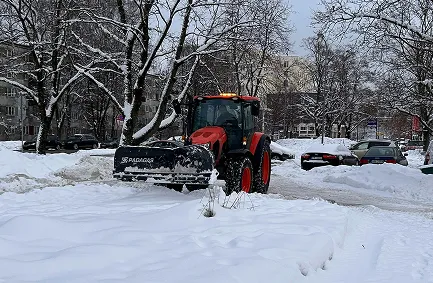
Homeowners should also identify a suitable location for cleared snow. Snow cannot always be moved to the most convenient-looking area if that location blocks drainage, pedestrian access, neighbouring property, or future service.
Why Can Ice Return After a Visit?
Ice may form again even after snow has been cleared or a de-icing product has been applied.
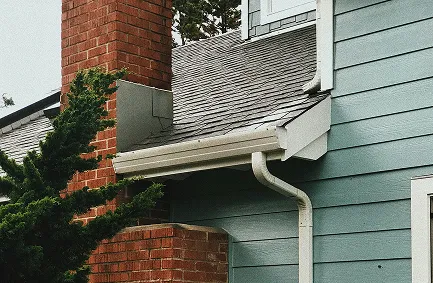
Sunlight or warmer temperatures can melt nearby snow. The resulting water may move across a walkway and freeze later when the temperature drops. Downspouts, roof runoff, poor drainage, shaded sections, and packed snow can also create recurring problem areas.
Pedestrian and vehicle traffic may compress remaining snow into a harder layer. Freezing rain or new precipitation can change the surface after a visit has been completed.
Residential snow removal and de-icing reduce accumulation in the agreed areas under the stated service conditions. They cannot guarantee that every surface will remain continuously clear, dry, or non-slip. Homeowners and property contacts should continue monitoring the property between visits.
Snow Removal for Rental and Managed Homes
Residential snow service may also be arranged for rental homes and managed residential properties, subject to route availability and a clear site contact.
The owner or manager should identify which areas are their responsibility and which areas are assigned to occupants or another provider. Tenant communication may be needed to keep walkways, gates, or parking areas accessible.
For properties with several entrances or units, the agreement should name the exact service zones. It should also explain who will report access concerns, approve additional work, and receive service communication.
Strata common areas or larger multi-unit sites may require a commercial snow plan rather than a standard residential agreement.
Snow Storage, Drainage, and Refreezing
Cleared snow must be placed somewhere on the property or in another approved location. The available storage area can affect how walkways, steps, and driveways are serviced.
Piles should not block entrances, drains, access points, or visibility. As temperatures rise, melting snow may flow toward low areas and later freeze again.
Drainage is therefore part of the initial property review. A service visit can clear agreed areas, but it cannot correct poor grading, damaged drainage systems, roof runoff, or other property conditions that repeatedly direct water across a walkway.
If a property has a known refreezing area, it should be identified before the agreement is finalised.
Seasonal Service Versus Last-Minute Requests
Advance seasonal planning offers the best opportunity to confirm route availability and document the scope. Last-minute or one-time requests may not be available once snow has entered the forecast.
Even when a property has been serviced previously, availability should not be assumed for a new winter. Routes, staffing, property access, and requested work can change from one season to the next.
Homeowners who expect to need assistance should request an assessment before regular winter weather begins. This allows time to discuss priority areas and make adjustments before route capacity is assigned.
Request a Residential Snow Service Quote
Tell us the complete property address, priority areas, driveway requirements, steps, access limitations, and whether de-icing is requested. Enquire before snow is forecast so route availability and the proposed scope can be reviewed.
Request a quote for residential snow shovelling and de-icing in Vancouver, or call 604-307-8323.
What Residential Snow Service Does Not Guarantee
Weather and surface conditions can continue changing after a visit. For this reason, residential snow removal does not guarantee bare pavement, continuously dry surfaces, uninterrupted access, or complete prevention of ice.
Service also does not repair cracked concrete, uneven paving, drainage problems, damaged steps, loose handrails, poor lighting, or other property defects.
Areas blocked by vehicles, locked gates, stored belongings, fallen branches, or unsafe access may not be serviceable. Snowfall beyond the conditions covered in the agreement may also require a revised plan.
These limits should be understood before service is scheduled.
What Affects Residential Snow Removal Pricing?
Pricing depends on the size and number of approved areas, amount of accumulation, steps, slope, surface material, access, parking, snow-storage options, requested response conditions, and whether de-icing is included.
A short, level entrance path generally requires a different scope from a property with a steep driveway, several staircases, long walkways, or difficult street access.
Additional visits, heavier-than-expected accumulation, ongoing snowfall, freezing rain, or work outside the original scope may be priced differently when covered by the agreement.
The quote should explain the pricing format, service triggers, and any conditions that could result in additional charges before winter service begins.
Why Choose No Monkey Biz?
No Monkey Biz has served Greater Vancouver since 2012. We focus on clearly defined scopes, property-specific planning, straightforward communication, and realistic service expectations.
Before adding a home to a winter route, we identify the agreed areas, triggers, access needs, response expectations, de-icing scope, and practical limitations. This gives homeowners a clearer plan before snow arrives.
Seasonal availability is limited, so early enquiries are recommended.
Related Residential Snow Shovelling and De-Icing Services
Property managers, strata councils, and business owners can review our Commercial Snow Removal and De-Icing service.
Homeowners planning seasonal exterior maintenance may also be interested in Residential Pressure Washing or the complete No Monkey Biz services overview.
Residential Snow Removal Service Areas
Vancouver is the primary location for this service. Availability in surrounding communities depends on route capacity, the property address, requested scope, access, and scheduling.
Explore our location pages for Vancouver East, Vancouver West, North Vancouver, Richmond, Burnaby, Surrey, Coquitlam, Delta, Langley, Port Coquitlam, White Rock, Abbotsford, Maple Ridge, and Pitt Meadows.
Providing the complete address is essential because service availability is route-specific and cannot be confirmed from the community name alone.
Frequently Asked Questions About Residential Snow Shovelling and De-Icing
Should residential snow removal be arranged before snow is forecast?
Yes. Seasonal routes can fill before snow enters the forecast. Early planning allows time to review the property and document the service areas, triggers, timing expectations, materials, and pricing.
What areas can be included in residential snow service?
Depending on the property and agreement, service may cover entrance steps, front walkways, selected paths, and other accessible priority areas. Driveways and larger areas must be expressly included.
Does the service begin every time it snows?
Not necessarily. Work begins according to the triggers and conditions stated in the written agreement. Light flurries or a forecast alone may not activate service.
Are driveways automatically included?
No. A driveway is included only when it appears in the written scope. Size, slope, parked vehicles, surface condition, access, and snow-storage space must be considered.
Can I request service after snow has already started?
You can enquire, but availability is not guaranteed. Priority is generally given to properties already included on confirmed seasonal routes.
What can prevent the agreed service from being completed?
Locked gates, parked vehicles, hidden obstacles, unsafe access, stored belongings, fallen branches, or conditions outside the agreement may limit service. Homeowners should keep approved work areas accessible.